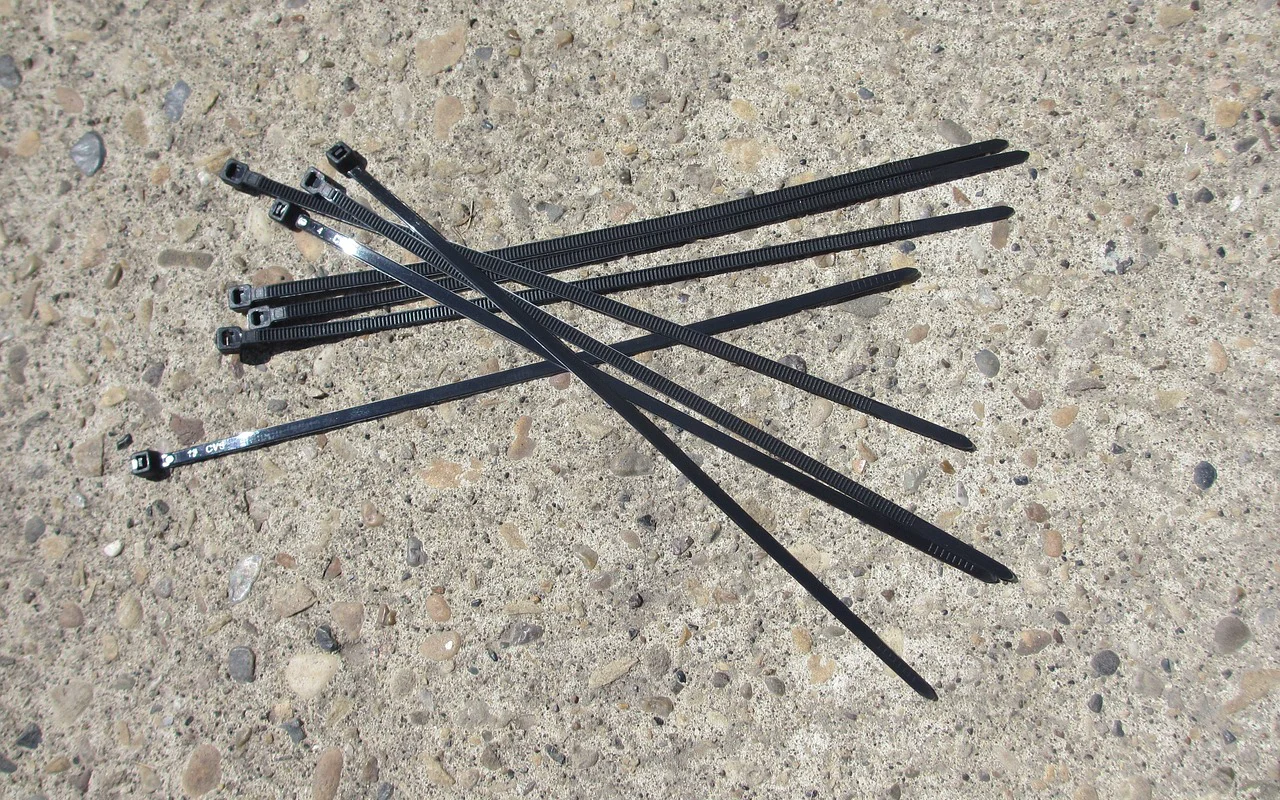
Why we say "ty-rap" instead of "cable tie".
Every crew has a bag of them in the toolbox, every cable ramp is held together with them, and every load-out ends with the sound of side cutters snipping. The cable tie, or zip tie. In Belgium and the Netherlands, crews usually call it a ty-rap, after the original Ty-Rap brand. As commonplace as gaffa and gloves. But did you know that "ty-rap" is actually a brand name? And that it was invented because aircraft workers were wrecking their hands?
Just like the nadar barrier, there is a story behind this everyday piece of crew equipment that is worth telling.
Boeing, 1956: "hamburger hands"
We do not start on a festival field, but in an aircraft factory. Maurus C. Logan, an engineer at the American company Thomas & Betts, visits a Boeing factory in 1956. What he sees there is not something he quickly forgets.
Kilometres of wiring are bundled by hand on wooden boards fifteen metres long. The method: knot waxed nylon cord around the cable bundles and pull it tight with your fingers. Thousands of times per aircraft.
The result: deep cuts and thick layers of callus. The workers even had a name for it: "hamburger hands". Minced-meat hands, you might say.
Logan thought what every good crew chief thinks when faced with a bad system: there has to be a better way.
1958: the first self-clinching cable tie
For two years, Logan experiments with materials and designs. He also simply talks to the people on the line — something that still happens far too rarely today.
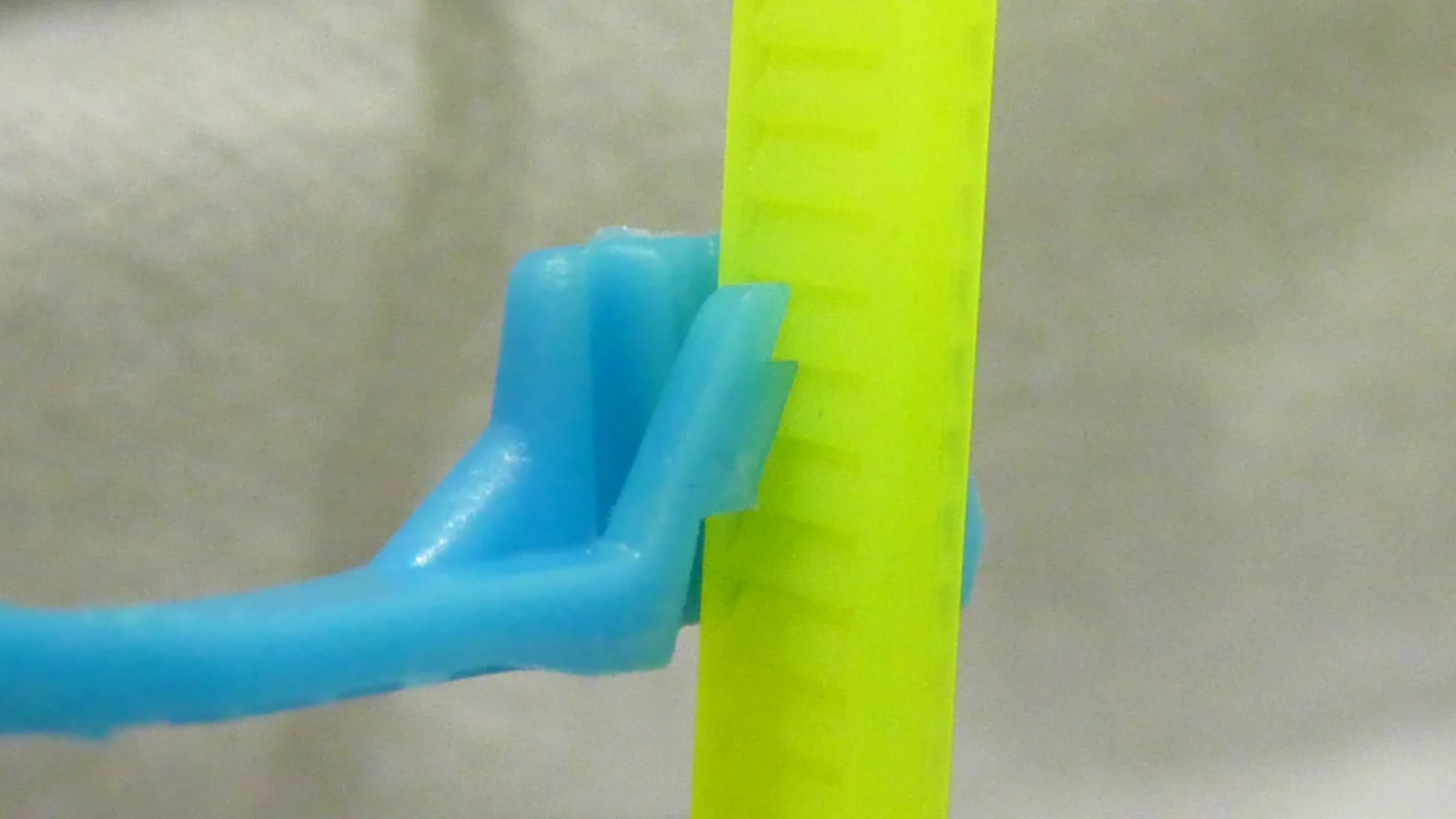
On June 24, 1958, he files a patent for a nylon strap with a small toothed head at one end and ridges at the other that work as a ratchet. Feed it through, pull it tight, done. No knots, no tools, no damaged hands. The patent is granted in 1962.
The name: Ty-Rap®. The world's first self-clinching cable tie.
Fun detail: the first versions still had a metal tooth in the head. Only later did the design become fully nylon — lighter, cheaper, and the way we still know it today.
Logan eventually became Vice President Research & Development at Thomas & Betts. The company was acquired by ABB in 2012 for 3.9 billion dollars. Not bad for a firm that grew big with a strap worth a few cents.
From brand name to generic term
This is where the story starts to feel familiar. Just as nadar became the Belgian generic term for every crowd control barrier, Ty-Rap became our generic term for every cable tie. Including those made by other brands. Linguists call that a genericized trademark — the same thing happened to biro, fridge and Velcro.
Officially, it is simply called a cable tie in English. But try saying that to a Belgian stagehand at 4 in the morning. They ask for a ty-rap. Or a tie wrap. And they get one.
Are there standards for cable ties?
Here the cable tie behaves better than the nadar: yes, there are. Cable ties fall under industrial standards, including those for electrical installation equipment, and manufacturers neatly specify the tensile strength for each type.
The figures you need to know in practice:
Width
- 2.5 mm — light bundles, signal cable
- 3.6 to 4.8 mm — the standard workhorses on every job
- 7.6 to 9 mm — heavy duty, for when things get serious
Length
- From 100 mm to 1 metre+
- At events, 200 and 300 mm are the most commonly grabbed sizes.
Tensile strength
- From about 8 kg (mini) to 114 kg+ (heavy duty)
- It is on the packaging. Give it a quick read before hanging anything.
Material
- Nylon (polyamide 6.6) is standard
- Black with UV stabilisation for outdoors — white nylon becomes brittle in sunlight
- Stainless-steel versions for extreme heat, chemicals or years of outdoor use
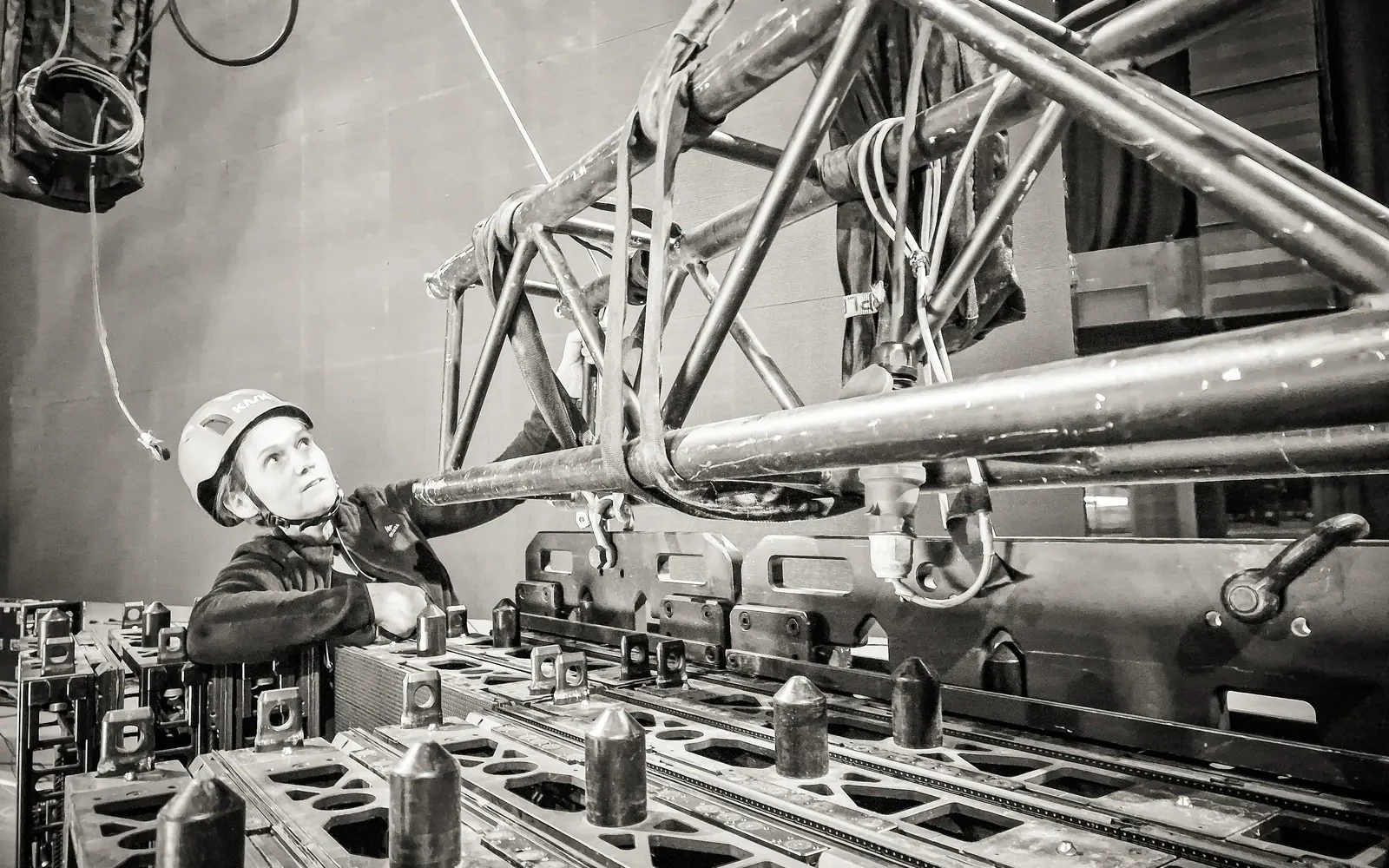
⚠️ And one thing every rigger will impress on you: a cable tie is not lifting equipment and not a safety. Bundling cables: yes. Hanging something above people: never. That is what safeties and steels are for.
What is a cable tie called abroad?
Belgium & the Netherlands
- Ty-rap, tiewrap, tie-rib or simply bindbandje. Officially: kabelbinder.
English-speaking world
- Cable tie (UK) or zip tie (US) — after the zipping sound when it is pulled tight.
- In the live industry, you also hear tie wrap.
France & Wallonia
- Collier de serrage is the proper term, but everyone says "Colson" — yet another brand name that became a generic term. So the French have their own ty-rap story.
Germany
- Kabelbinder. Clear, solid, German.
Spain
- Brida.
A few fun facts
- Cable ties on Mars. Versions exist that can withstand the radiation and vacuum of space. Thomas & Betts cable ties literally flew to Mars. From festival field to red planet.
- 28 billion. By 2018 — sixty years after the patent — Thomas & Betts had produced an estimated 28 billion Ty-Raps. Linked together: to the Moon and back 22 times. And that does not include the competition.
- The police version. Those reinforced double cable ties used during arrests? Flexcuffs. Same principle, different audience.
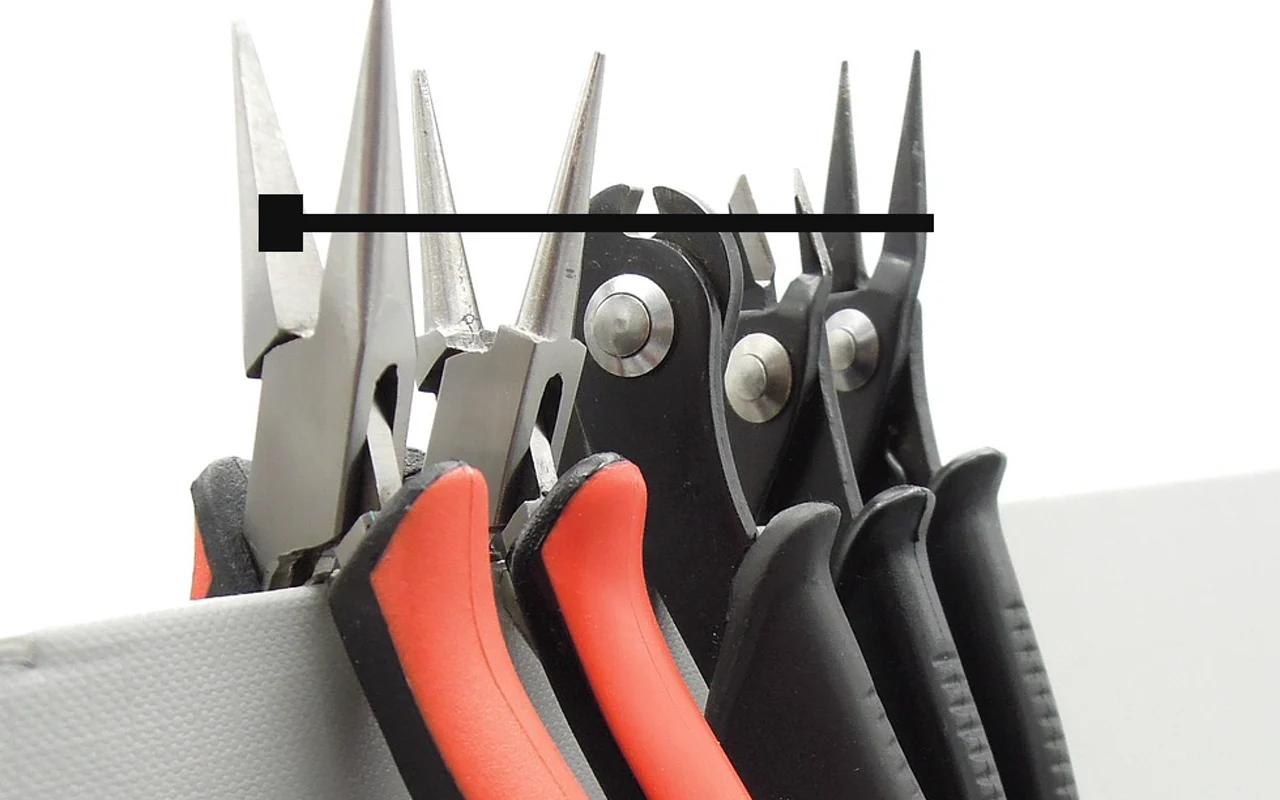
- Cut it flush. Anyone who has ever brushed past an angled cable-tie cut on a truss knows why. Cut it flush with a good pair of cutters, or your colleagues will carry your signature home in their forearms.
- Reuse exists. There are releasable cable ties, and biodegradable versions are on the way. For anyone who does not want a rubbish bag full of snipped straps after load-out.
One man, two years of tinkering, and a solution so simple that seventy years later it is still in every crew bag. That is no small thing.